

Skincare Education | Brickell, Miami
What is the best facial for pigmentation in Miami? The answer depends on what is causing the discoloration, your skin's condition, and whether your concern is appropriate for cosmetic facial care or requires medical dermatology.
Pigmentation is not a single skin concern. Melasma, sunspots, and post-inflammatory dark marks may look similar, but they can have different causes and treatment considerations.
At LUX MedSpa Brickell, our approach to customized facials begins with understanding the individual. We prioritize thoughtful skincare, skin-barrier health, and realistic expectations over promises of immediate pigmentation correction.
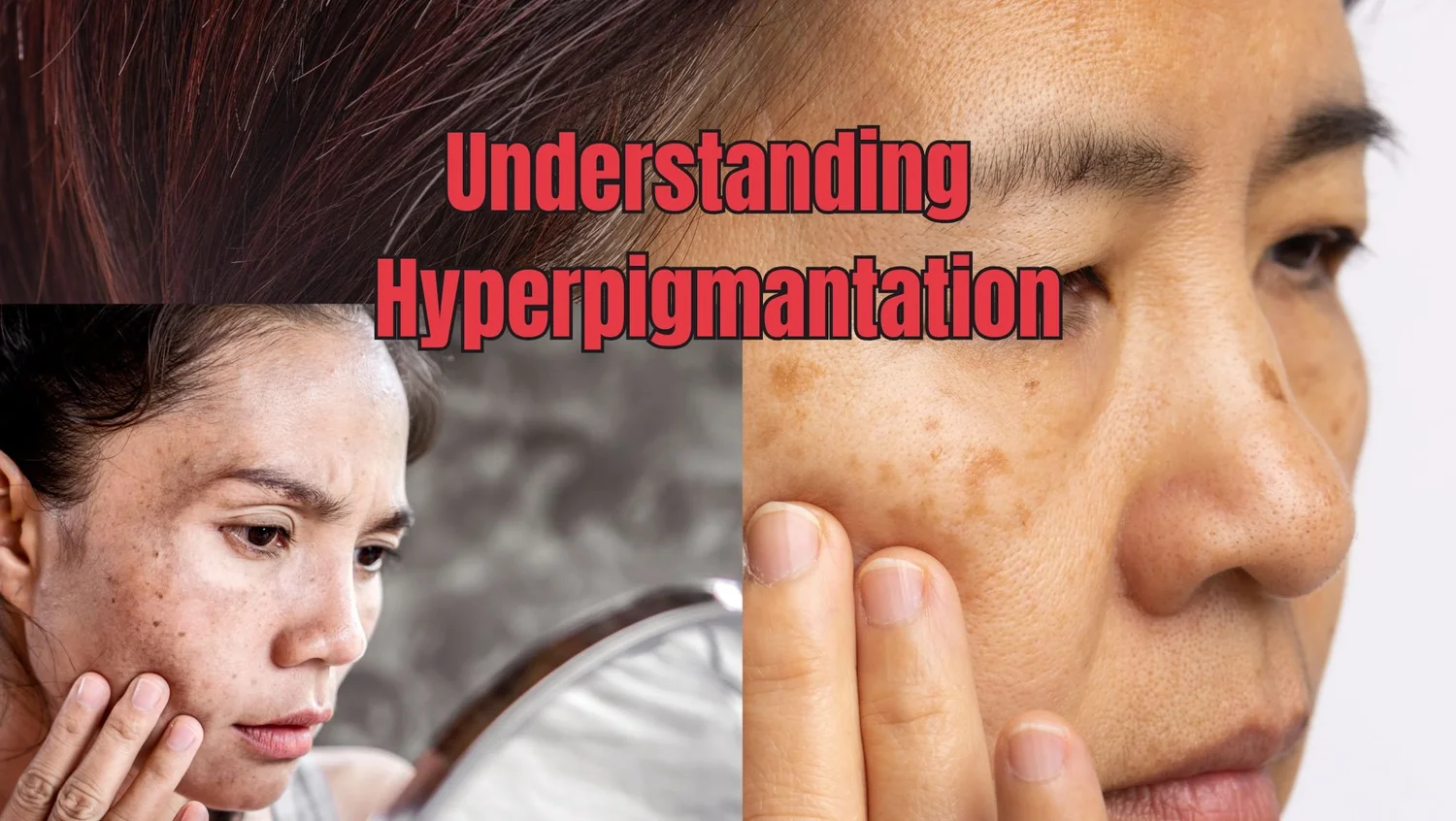
Understanding Hyperpigmentation: Why Dark Spots Develop
Hyperpigmentation describes areas of skin that appear darker than the surrounding skin.
It occurs when melanin, the pigment responsible for skin color, becomes more concentrated in certain areas.
Several factors can contribute to this process, including ultraviolet exposure, skin inflammation, hormonal influences, and certain medications.
A scientific review published in the journal Molecules discusses the biological mechanisms involved in different pigmentation disorders.
Research: Skin Pigmentation Types, Causes and Treatment — A Review
Understanding the likely cause is more important than choosing a treatment simply because it is advertised as brightening.
Three Common Types of Facial Pigmentation
Melasma
Melasma often appears as irregular brown or gray-brown patches, particularly on the cheeks, forehead, and upper lip.
Sun exposure, visible light, hormonal influences, and other individual factors may contribute.
Melasma can be persistent or recurrent and often requires a dermatologist-led management plan.
Post-Inflammatory Hyperpigmentation
Post-inflammatory hyperpigmentation, commonly called PIH, may develop following acne, irritation, or other forms of skin inflammation.
These marks can remain visible after the original inflammation has resolved.
Preventing new irritation and addressing the underlying cause are important parts of management.
Sunspots
Solar lentigines, often called sunspots or age spots, are associated with cumulative sun exposure.
They may appear as flat areas of darker pigmentation on commonly sun-exposed skin.
A dermatologist should evaluate uncertain or changing spots before any cosmetic treatment.
Other Causes of Uneven Skin Tone
Not every darker mark is ordinary hyperpigmentation.
Certain skin lesions and medical conditions can resemble pigmentation concerns.
New, changing, bleeding, painful, or unusual spots warrant medical assessment rather than a cosmetic facial.
For a reliable diagnosis, especially when melasma or another pigmentation disorder is suspected, consult a board-certified dermatologist.
The American Academy of Dermatology explains how dermatologists assess melasma and develop individualized treatment plans.
What Is the Best Facial for Pigmentation in Miami?
For someone concerned about the appearance of uneven skin tone, a customized facial may be an appropriate complement to a consistent skincare routine.
The most suitable facial is not necessarily the most intensive one.
The right choice considers skin sensitivity, hydration, current product use, barrier health, and whether exfoliation is appropriate.
Some guests may benefit from a gentle, hydration-focused facial. Others may prefer professional cleansing or carefully selected exfoliating techniques.
However, a cosmetic facial should not be presented as a cure for melasma, a substitute for prescription treatment, or a guaranteed solution for dark spots.
The LUX approach: Select the facial according to the guest's actual skin condition and comfort, not a standardized promise of pigmentation removal.
Personalized Facials at LUX MedSpa Brickell
Our customized facial experiences may incorporate professional skincare, HydraFacial technology, AI-assisted imaging, and selected facial techniques when appropriate.
We begin with the guest's concerns and preferences, then consider which elements of the facial are suitable.
Our goal is to support skin comfort, hydration, and a healthy-looking complexion while respecting the skin barrier.
Explore our customized facial experiences in Miami for currently available treatments and enhancements.
Can HydraFacial Help With Uneven Skin Tone?
HydraFacial combines cleansing, exfoliation, extraction, and hydration through a specialized facial system.
It may help improve the appearance of superficial texture and leave the skin feeling hydrated and refreshed.
However, a HydraFacial is not equivalent to medical treatment for melasma or persistent pigmentation.
A smoother or more luminous appearance immediately after a facial does not necessarily mean that underlying pigmentation has been corrected.
For guests prone to irritation or post-inflammatory hyperpigmentation, treatment intensity and exfoliation should be selected conservatively.
More exfoliation is not automatically more effective.
What Role Does AI Skin Analysis Play?
AI-assisted skin imaging can provide useful visual information during a skincare consultation.
Depending on the system, imaging may help document the appearance of uneven tone, visible pores, redness, and other surface features.
These observations can support conversations about skincare goals and allow guests to follow visible changes over time.
However, cosmetic AI skin analysis is not a substitute for medical diagnosis.
It should not be relied upon to establish the medical cause of pigmentation, determine pigment depth, or identify suspicious lesions.
When a guest presents pigmentation that may require medical evaluation, the appropriate recommendation is to consult a dermatologist.
Technology can support personalization, but it must remain within the scope of what the technology and provider can reliably assess.
When Pigmentation Requires Dermatological Care
Certain pigmentation conditions require medical treatment rather than cosmetic facial care.
Dermatologists may recommend prescription topical treatments, selected procedures, and ongoing maintenance depending on the diagnosis.
For melasma, evidence-based medical treatments may include hydroquinone, prescription retinoids, azelaic acid, or combination medications.
These treatments require appropriate individual assessment and, where applicable, a prescription.
Some professional chemical peels and other procedures may also have a role in selected cases.
However, inappropriate or overly aggressive procedures can worsen inflammation and pigmentation.
A systematic review published in the American Journal of Clinical Dermatology examined the evidence supporting treatments for melasma, including topical therapies and procedures.
Research: Melasma Treatment — An Evidence-Based Review
Guests should not begin prescription pigmentation treatments or intensive procedures based solely on information from beauty trends or advertisements.
Pigmentation Prevention: Why Sun Protection Matters in Miami
In Miami, regular sun exposure makes photoprotection especially important for anyone concerned about uneven skin tone.
Ultraviolet radiation can contribute to pigmentation changes and may worsen existing melasma and dark marks.
A practical foundation is broad-spectrum sunscreen with SPF 30 or higher, combined with protective clothing and shade.
During outdoor exposure, sunscreen generally requires reapplication at least every two hours, or sooner after swimming or sweating, according to its label.
Why Tinted Sunscreen May Be Helpful
For people with melasma or pigmentation concerns, dermatologists often recommend tinted sunscreen containing iron oxides.
Iron oxides can help protect against visible light, which contributes to pigmentation in some individuals.
The American Academy of Dermatology specifically discusses this recommendation for melasma and dark spots in darker skin tones.
Source: American Academy of Dermatology — Melasma Self-Care
Small Habits That Matter
- Use broad-spectrum sunscreen consistently.
- Consider a tinted sunscreen containing iron oxides when appropriate for pigmentation concerns.
- Seek shade and wear protective clothing outdoors.
- Avoid picking at acne or irritated skin.
- Choose gentle, well-tolerated skincare products.
- Avoid unnecessary aggressive exfoliation.
- Seek medical evaluation for persistent, unusual, or changing spots.
A Simple Skincare Routine for Uneven Skin Tone
Daily skincare does not need to be complicated to be meaningful.
The goal is to maintain a routine that supports comfort, hydration, and protection without creating unnecessary irritation.
Morning
- Cleanse gently. Use a mild cleanser appropriate for your skin type when needed.
- Apply suitable skincare. Use products selected according to your skin's needs and tolerance.
- Moisturize. Support the skin barrier with an appropriate moisturizer.
- Protect. Use broad-spectrum SPF 30 or higher, considering tinted formulas with iron oxides for relevant pigmentation concerns.
Evening
- Remove sunscreen and makeup gently. Avoid excessive cleansing or abrasive tools.
- Use targeted products cautiously. Any active ingredients should be appropriate for your skin and introduced with consideration for irritation.
- Moisturize. Finish with suitable hydration and barrier support.
- Follow medical guidance when needed. Dermatologist-prescribed treatments should follow the individualized plan.
Consistency is generally more useful than changing products every few days in search of faster results.
For more about building sustainable skincare habits, explore our guide to healthy glass-skin skincare habits .
How Long Does It Take for Pigmentation to Improve?
There is no universal timeline for improvement in pigmentation.
Some post-inflammatory dark marks gradually fade over months. Other pigment changes, particularly deeper discoloration and melasma, may persist or recur.
The American Academy of Dermatology explains that some superficial dark marks may take six to twelve months to fade, while deeper pigmentation can take longer.
These are general observations, not a promised treatment timeline for a particular individual.
Source: How to Fade Dark Spots in Darker Skin Tones
A facial may improve the appearance or feel of the skin without eliminating underlying pigmentation.
The distinction between cosmetic improvement and treatment of a medical skin condition is essential.
Personalized Facial Care at LUX MedSpa Brickell
LUX MedSpa Brickell is a luxury spa destination located on the ninth floor inside SLS LUX Hotel in Brickell, Miami.
Founded by Alan Araujo , the spa focuses on personalized facial treatments, licensed massage therapy, couples experiences, and thoughtful hospitality.
Our facial specialists consider the guest's skin concerns, preferences, sensitivity, and current condition when selecting appropriate facial techniques.
We believe in supporting healthy-looking skin through professional attention, realistic expectations, and consistent home-care habits.
When a concern falls outside the scope of cosmetic facial care, appropriate medical evaluation is the responsible next step.
Explore our current facial services to understand the experiences available at LUX MedSpa Brickell.
Frequently Asked Questions About Facials for Pigmentation
What is the best facial for pigmentation in Miami?
The most appropriate facial depends on your skin's condition, sensitivity, and the type of discoloration involved. A customized, hydration-focused facial may support the appearance of uneven skin tone, but conditions such as melasma may require dermatologist-led care.
Can a facial permanently remove melasma?
No cosmetic facial can guarantee permanent melasma removal. Melasma is often persistent or recurrent and typically requires individualized management that may include sun protection and prescription treatments from a dermatologist.
Can HydraFacial remove dark spots?
HydraFacial may improve the appearance of superficial skin texture and hydration. It should not be considered a guaranteed treatment for melasma or persistent dark spots. Results depend on the individual skin concern and the treatment selected.
What is the difference between melasma and post-acne dark marks?
Melasma commonly appears as patches associated with multiple triggers, including sun exposure and hormonal influences. Post-inflammatory hyperpigmentation develops following skin inflammation, such as acne. A dermatologist can distinguish between these and other conditions.
Can AI skin analysis diagnose hyperpigmentation?
Cosmetic AI-assisted imaging can support skincare consultations by documenting visible skin features. It does not replace medical diagnosis and should not determine the underlying medical cause or depth of pigmentation. A dermatologist should evaluate suspected pigmentary disorders.
What sunscreen is recommended for melasma?
Dermatologists recommend broad-spectrum sunscreen with SPF 30 or higher. For melasma, tinted sunscreen containing iron oxides may provide additional protection against visible light. Protective clothing and seeking shade are also important.
When should I see a dermatologist about dark spots?
Seek dermatological evaluation for persistent or uncertain pigmentation, suspected melasma, or any new, changing, bleeding, painful, or otherwise unusual skin lesion. Cosmetic facials are not a substitute for medical diagnosis or treatment.
The Best Skincare Decision Begins With Understanding Your Skin
Pigmentation is a common concern, but there is no universal treatment suitable for every person.
Healthy-looking skin begins with appropriate cleansing, moisturization, sun protection, and avoiding unnecessary irritation.
Professional facials may complement these habits when selected appropriately.
Medical pigmentation disorders require accurate diagnosis and suitable care.
At LUX MedSpa Brickell, our philosophy is to understand the individual, personalize the experience, and maintain realistic expectations.
Skin health first. The goal is not flawless skin at any cost. It is a thoughtful approach to protecting and caring for the skin you have.
Research and Professional Sources
- Thawabteh AM, et al. Skin Pigmentation Types, Causes and Treatment: A Review. Molecules, 2023.
- McKesey J, Tovar-Garza A, Pandya AG. Melasma Treatment: An Evidence-Based Review. American Journal of Clinical Dermatology, 2020.
- American Academy of Dermatology. Melasma: Diagnosis and Treatment.
- American Academy of Dermatology. Melasma: Self-Care.
- American Academy of Dermatology. How to Fade Dark Spots in Darker Skin Tones.
- American Academy of Dermatology. Skin Cancer: Symptoms, Diagnosis, and Causes.
